Most of the confusion in this industry lives right here, and a lot of sellers prefer it that way. Here's the plain version.
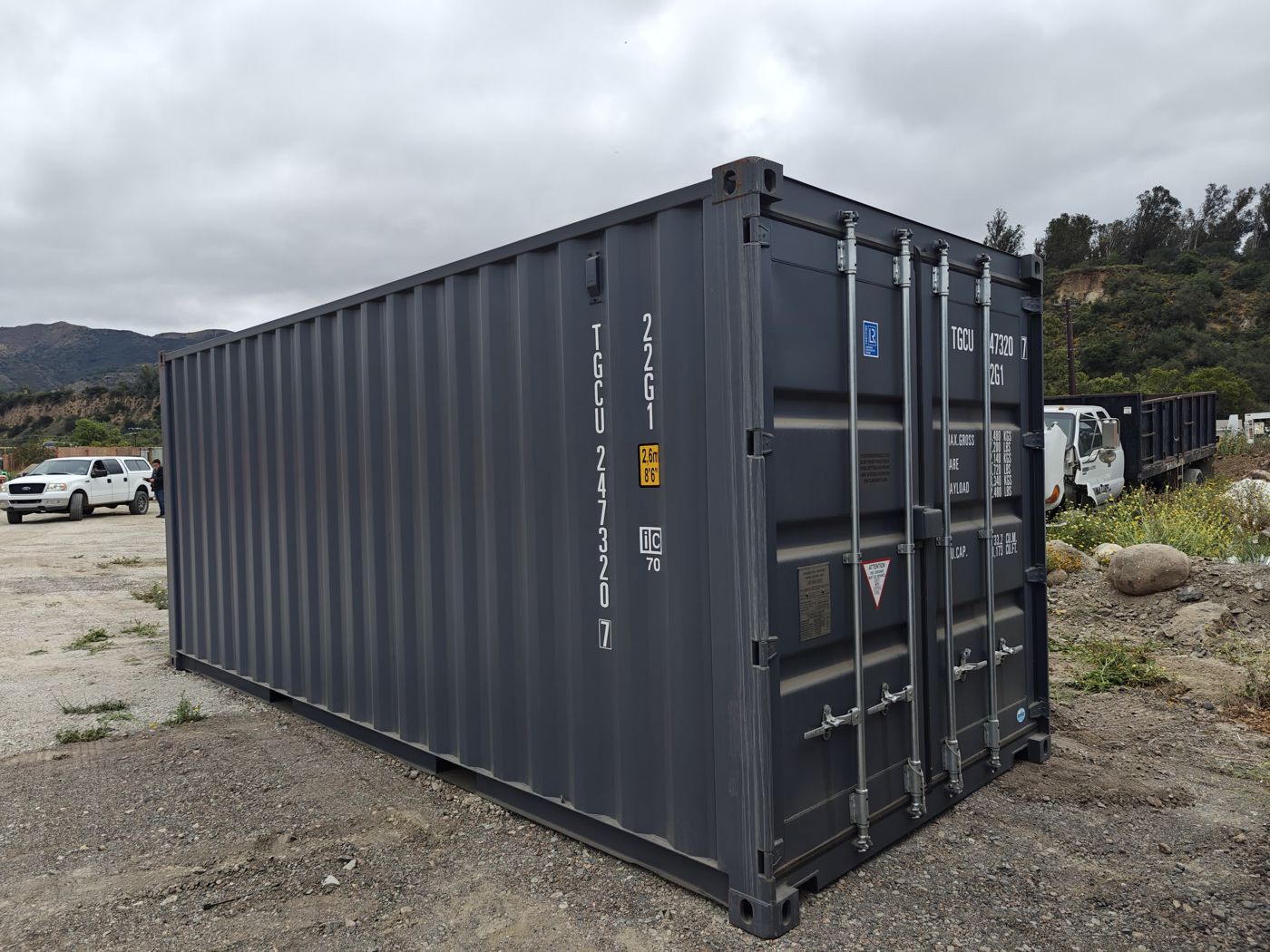
Built at the factory in Asia, loaded with cargo once, shipped across the Pacific once, and unloaded. That single voyage is the whole life of the container.
You get factory paint, clean floors, intact door seals and undamaged corner castings. Scuffs from lashing gear are normal. Rust isn't.
Why people choose it: it will still look presentable in ten years, it's what you want if anyone can see it from the street, and it's the only sensible starting point for a conversion.
Color: Beige (RAL 1015) or Slate Grey (RAL 7015). Slate Grey is $300 more. It's the premium finish and it holds up better against dust.
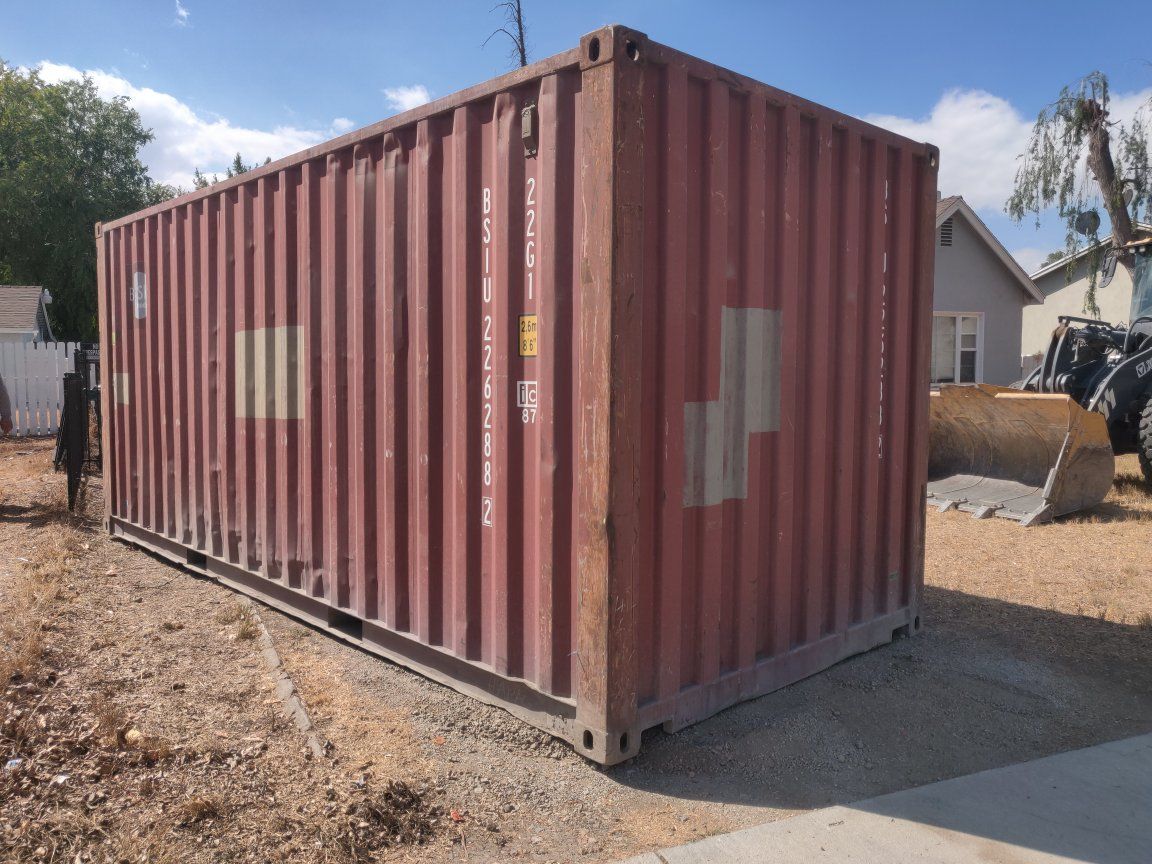
A container that has been in service for years and has passed a survey, a real inspection, against a real standard, certifying it is structurally sound and fit to carry cargo internationally.
That word, certified, is the whole difference. Somebody qualified put eyes on it and signed their name.
Expect surface rust, dents, patched paint, and a floor that's been walked on. Expect a sound roof, working door gear and no holes.
Color varies by unit, most often brick red. If you need a specific color, choose One Trip.
Every container we sell is wind and water tight. Rain stays out. Wind stays out. That is true of our Cargo Worthy units and our One Trip units without exception, and we would not sell you one that wasn't.
What we don't sell is the sales grade the industry labels “WWT.” Those are two different things, and the industry benefits from you confusing them.
Ask three sellers what the “WWT” grade means and you will get three answers. That is not an accident. It is not a certification. There is no inspection standard behind it, no survey, no signature, and no authority defining it.
The label only promises that water probably won't get in. It says nothing about structure. A container can be perfectly dry inside and still have a compromised floor, failing corner posts, or rust perforating from within.
Here is what actually happens in the market: a container that would not pass a Cargo Worthy survey gets relabelled “WWT” instead, and gets sold to somebody who assumes it's a step down in cosmetics rather than a step down in structure.
We sold exactly one. The customer wasn't harmed and the unit was serviceable. But we couldn't tell him what standard it met, because there isn't one. That's the last time.
So we carry two grades that mean something specific and can both be verified: Cargo Worthy and One Trip. Both are wind and water tight. Both are certified. If you want something cheaper than our Cargo Worthy price, we don't have it, and we'd rather tell you that than sell you a word.
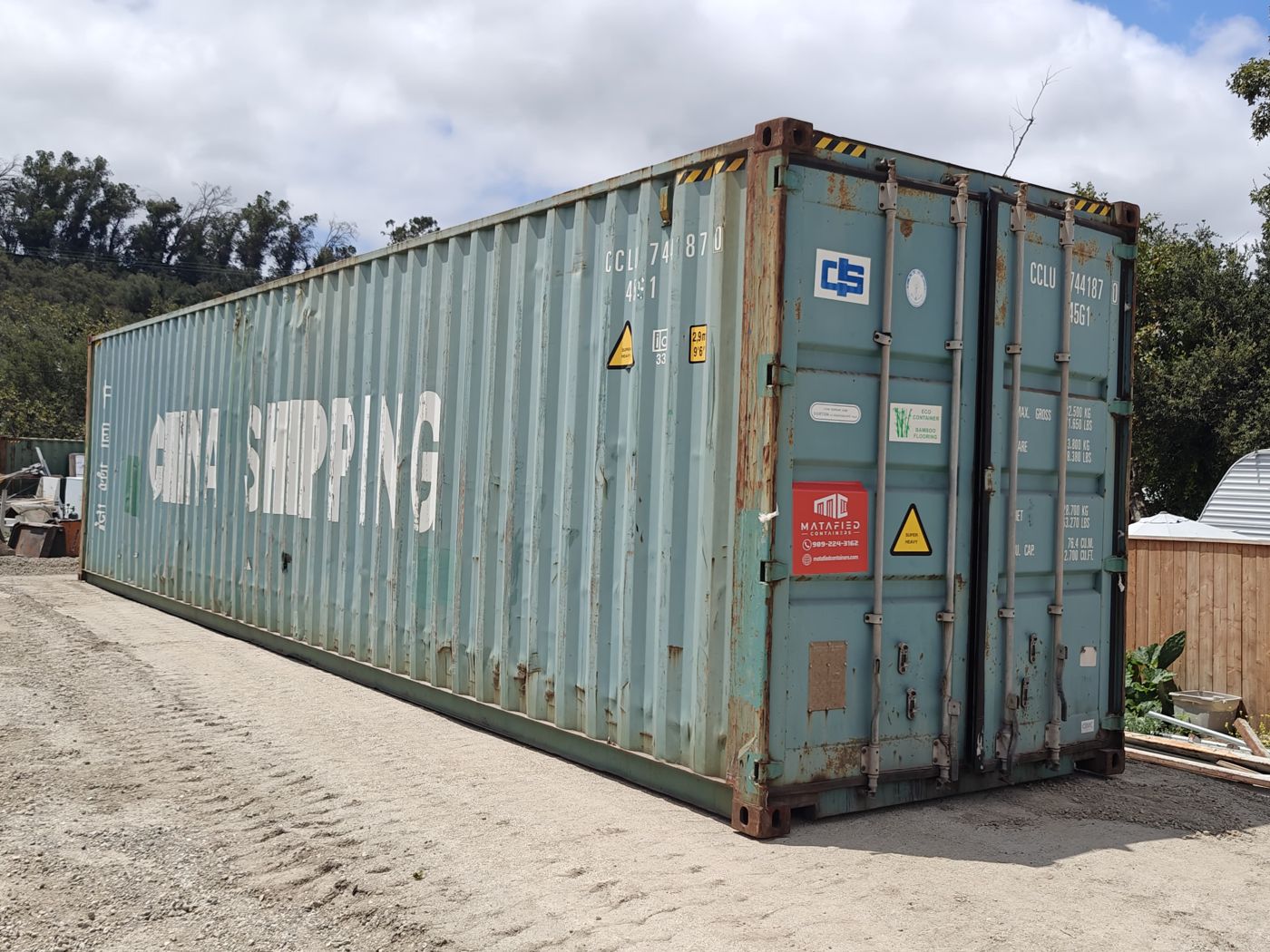
Sold elsewhere as “WWT.” It keeps the rain out. Nobody can tell you what else it does.
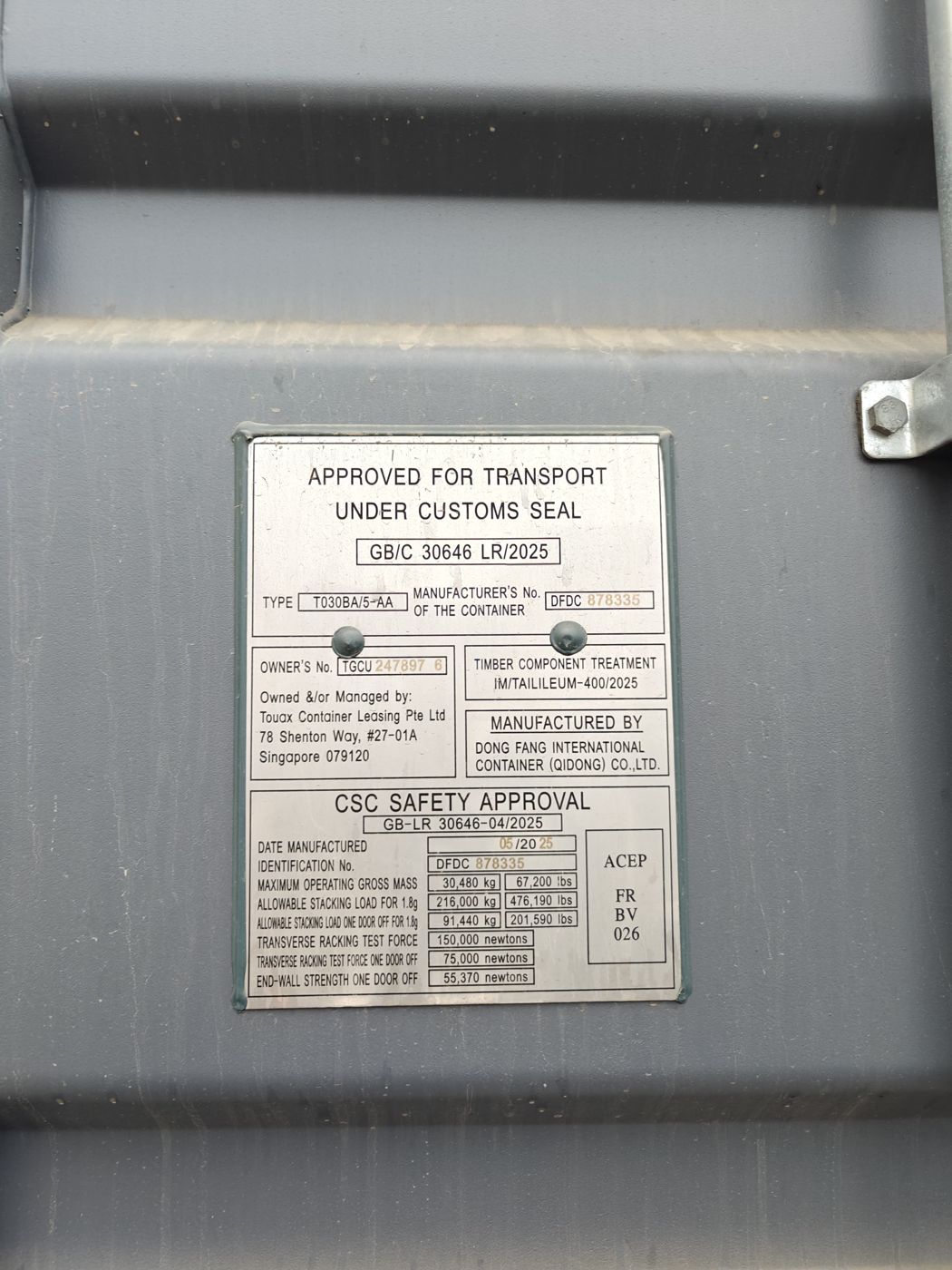
Every container built for international shipping carries a CSC Safety Approval plate, a steel plate bolted near the doors under the Convention for Safe Containers.
It records the manufacturer, the build date, the maximum gross weight, the stacking load and the next examination date. It is the container's identity document.
What this means for you: if a seller can't photograph the CSC plate on the unit they're selling you, ask why. We can, on any container we sell, before it leaves the depot.
Need a current marine survey for export or a lender? We add one for $150 at checkout.
Prices are on the page. So is the delivery math.
See all containers & pricing